DIY foundation crack repair can seem like a cost-effective solution for homeowners in Houston, TX, especially when cracks appear suddenly. However, understanding the types of cracks, soil conditions, and potential structural risks is crucial before attempting any fixes.
Minor surface cracks might be manageable with basic materials, but deeper or expanding cracks often indicate foundation settlement or water damage, requiring professional assessment. Without proper knowledge, a DIY foundation crack repair could lead to worsening problems like mold growth, uneven floors, or compromised structural integrity.
Homeowners should weigh the immediate savings against the possible long-term costs and safety concerns associated with improper repairs. For those unsure about the severity of their foundation cracks, getting matched with vetted contractors via a can help ensure the right approach for lasting results.
Quick Takeaways on DIY Foundation Crack Repair in Houston
- DIY foundation crack repair in Houston may not address underlying soil issues or structural damage.
- Surface cracks often require professional evaluation to prevent water intrusion and mold growth.
- Improper repair methods can worsen foundation settlement and increase repair costs.
- Local contractors use specialized materials like epoxy injections and polyurethane foam for durable results.
- Homeowners should consider professional assessment to ensure compliance with Houston building codes and soil conditions.
Assessing Foundation Cracks: When Is DIY Repair Appropriate in Houston?
Homeowners in Houston encountering foundation cracks should first evaluate the type and severity of the damage before considering DIY repair. Small surface cracks under a quarter-inch wide, often caused by normal settling or shrinkage, may be suitable for simple DIY fixes.
These minor cracks usually do not indicate underlying structural damage and can be addressed with appropriate sealants or fillers.
However, cracks that are wider than a quarter-inch, show signs of displacement, or follow a stair-step pattern in brickwork often suggest more serious issues related to foundation settlement or shifting soil conditions common in Houston’s expansive clay soils.
Such damage typically requires a professional assessment to determine the full extent of the problem and to plan a safe repair strategy.
Key Indicators for Considering DIY Foundation Crack Repair in Houston
- Crack width less than 1/4 inch: Usually surface-level and manageable with patching kits.
- No vertical or horizontal displacement: Indicates minimal movement and lower risk of structural issues.
- Cracks limited to non-load-bearing walls: Less likely to affect overall foundation integrity.
- No signs of water intrusion or mold growth: Suggests no ongoing moisture problems complicating the repair.
Homeowners should recognize that while some DIY repairs can address superficial foundation cracks, more extensive damage related to Houston’s unique soil conditions often necessitates expert intervention. Proper evaluation helps prevent exacerbating structural damage and ensures long-term stability.
Step-by-Step Guide to DIY Foundation Crack Repair for Houston Homeowners
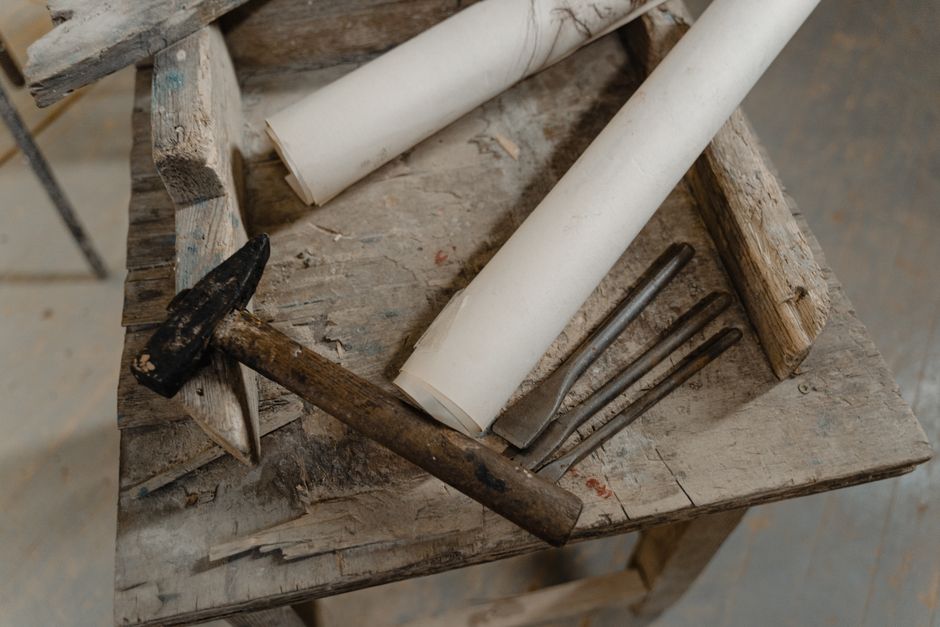
Homeowners in Houston considering DIY foundation crack repair should first gather essential materials such as epoxy injection kits, concrete patching compounds, a chisel, wire brush, and a caulking gun. These tools facilitate addressing minor cracks typically less than 1/4 inch wide, which often result from soil conditions and foundation settlement.
Preparation is critical: clean the crack thoroughly using a wire brush and remove loose debris with a vacuum or compressed air. This ensures proper adhesion of the epoxy injection or concrete patching material.
For cracks wider than 1/8 inch, injecting epoxy resin is an effective method to restore structural integrity and prevent water intrusion.
Basic Steps for DIY Foundation Crack Repair
- Clean the crack: Use a wire brush and vacuum to remove dirt and loose concrete.
- Prepare injection ports: Attach injection ports along the crack at regular intervals for epoxy flow.
- Seal the surface: Apply a surface seal with an epoxy paste over the crack to prevent leaks during injection.
- Inject epoxy resin: Using a caulking gun, inject epoxy resin into the ports, starting from the lowest point.
- Remove ports and patch: Once cured, remove ports and fill any holes with concrete patching compound.
- Cure time: Allow 24 to 48 hours for full curing depending on product specifications and Houston’s humidity.
This step-by-step approach helps mitigate risks like mold growth caused by water intrusion. Homeowners should note that while this process suits surface cracks, deeper or structural cracks require professional assessment.
Proper execution of these steps can extend the life of a foundation but does not replace the need for expert evaluation in cases of significant foundation settlement.
Risks and Limitations of DIY Foundation Crack Repair in Houston’s Climate
Homeowners in Houston face unique challenges when addressing foundation cracks due to the region's expansive clay soils and fluctuating moisture levels. These soil movements can cause ongoing foundation settlement that simple patching may not resolve, leading to recurring damage or worsening structural issues.
DIY foundation crack repair in Houston often risks overlooking underlying causes such as water intrusion or significant soil shifting. Improper techniques or materials might temporarily seal surface cracks, but fail to prevent long-term deterioration. Additionally, inadequate repairs can exacerbate mold growth or hidden damage, especially in Houston’s humid climate.
Common Risks and When Professional Assessment Is Advisable
- Misdiagnosing crack severity: Surface cracks might indicate deeper structural damage requiring expert evaluation.
- Ignoring soil conditions: Houston’s expansive soils demand specialized solutions beyond basic concrete patching.
- Poor material selection: Using unsuitable fillers can lead to ineffective sealing and accelerated wear.
- Overlooking moisture control: Failing to address drainage or humidity issues increases risk of water damage.
In many cases, professional assessment is necessary to determine if foundational issues require more comprehensive intervention. Contractors familiar with Houston’s soil movement and climate can recommend durable solutions that mitigate future risks and protect the home’s integrity.
Should You Repair Foundation Cracks Yourself? Comparison for Houston Homeowners
| Option | Pros | Cons | Best For |
|---|---|---|---|
| DIY Minor Surface Crack Repair | Lower cost, , simple tools | Limited to small cracks, risk of improper sealing, no structural fix | Homeowners with hairline cracks, basic handyman skills |
| Professional Foundation Crack Repair | Comprehensive assessment, structural integrity restored, warranty options possible | Higher upfront cost, requires scheduling, potential disruption during work | Cracks indicating settlement, significant water intrusion risk |
| Monitor Without Repair | No immediate expense, observe crack progression, avoid unnecessary repairs | Risk of worsening damage, potential mold growth, water damage escalation | Very small, stable cracks, regular inspection capability |
| Partial DIY with Professional Consultation | Guided repair steps, cost control, expert advice reduces risks | Still requires some skill, may need professional follow-up, time investment for coordination | Homeowners confident in DIY but uncertain about severity |
Frequently Asked Questions
What are the main risks of DIY foundation crack repair?
DIY foundation crack repair carries risks such as improper concrete patching, which can lead to persistent water intrusion and mold growth. Inadequate repair may worsen structural damage by failing to address underlying foundation settlement or soil issues common in Houston.
When should homeowners in Houston consider professional foundation crack repair?
Homeowners in Houston should seek professional assessment when cracks are wide, growing, or accompanied by signs of structural integrity loss. Persistent water damage, uneven floors, or evidence of foundation settlement typically require expert evaluation beyond simple surface cracks.
Can small cracks be safely repaired without professional help?
Small surface cracks under a quarter-inch wide may be suitable for basic DIY foundation crack repair. Using a wire brush to clean the area and proper concrete patching materials can address minor issues, but monitoring for changes is essential to avoid hidden water damage.
How do soil conditions in Houston affect DIY foundation repairs?
Houston's soil conditions, including expansive clay, contribute to ongoing foundation settlement. This dynamic environment means that simple DIY repairs may not stop further cracking or structural damage, highlighting the importance of understanding local soil behavior before attempting fixes.
What tools and materials are essential for DIY foundation crack repair?
Essential tools for DIY foundation crack repair include a wire brush, concrete patching compound, putty knife, and sealant. Proper surface preparation and application techniques are critical to reduce risks of water intrusion and mold growth, especially in humid climates like Houston.
Homeowners in Houston, TX should carefully weigh the risks of DIY foundation crack repair against the benefits of professional intervention. While minor surface cracks may appear manageable, underlying issues such as foundation settlement and water intrusion can lead to significant structural damage and mold growth if not properly addressed.
For those uncertain about the severity of their foundation cracks, it is advisable to seek a professional assessment. Get matched with vetted Foundation Repair in Houston, TX via our to connect with experts who understand local soil conditions and building codes.