
Steel piers vs concrete pilings Houston homeowners often face a critical decision when addressing foundation settlement or soil instability. Choosing between steel push piers and concrete pilings impacts both repair durability and overall cost-effectiveness.
Houston's unique clay soil and frequent moisture fluctuations increase the risk of foundation damage, making the right foundation support system essential. Understanding the differences in installation methods, load-bearing capacity, and long-term performance can help homeowners avoid costly repairs and protect property value.
Local contractors typically evaluate soil conditions and structural needs before recommending either steel piers or concrete pilings. Homeowners looking for reliable foundation repair solutions in Houston should weigh the pros and cons carefully to ensure a stable and lasting foundation.
Why It Matters in Houston
Houston’s unique soil composition and frequent moisture fluctuations create ongoing challenges for foundation stability. Choosing between steel push piers and concrete pilings significantly impacts how well a foundation resists settlement and water damage. Local contractors understand that Houston’s expansive clay soils demand solutions offering reliable load-bearing capacity and long-term durability.
Homeowners must carefully evaluate material strength, installation methods, and potential risks to prevent costly repairs. This decision affects not only structural integrity but also property value in Houston’s dynamic housing market.
Structural Performance Differences Between Steel Push Piers and Concrete Pilings in Houston
Steel push piers and concrete pilings exhibit distinct structural performance characteristics when deployed in Houston’s soil conditions. The region’s clay-rich soils are prone to frequent moisture fluctuations, causing expansion and contraction that can severely impact foundation stability.
Steel push piers are designed to penetrate through unstable upper soils and anchor into deeper, load-bearing strata, offering enhanced long-term capacity to resist settlement and shifting caused by these moisture changes.
Concrete pilings, on the other hand, rely on their mass and embedment depth to provide support. While they perform adequately under static load conditions, their rigidity can make them more vulnerable to the cyclical stresses induced by Houston’s weather impact, including heavy rains and drought periods.
This can lead to micro-fractures or reduced load transfer efficiency over time.
Steel push piers typically offer superior adaptability to Houston’s unique soil profile. Their installation methods allow for immediate load transfer to firm strata, minimizing the risk of further settlement.
Meanwhile, concrete pilings may require longer curing periods and are less forgiving in soils subject to constant moisture variation, potentially resulting in costly repairs if not properly designed for these conditions.
Key Structural Performance Factors in Houston
- Load-bearing capacity: Steel push piers provide consistent support by anchoring deep into stable soils beneath expansive clay layers.
- Resistance to moisture fluctuations: Steel’s strength and flexibility help accommodate soil movements caused by Houston’s wet-dry cycles.
- Durability under weather impact: Concrete pilings may suffer from cracking due to repeated swelling and shrinking of surrounding soils.
- Settlement control: Steel push piers can reduce ongoing foundation movement more effectively in Houston’s challenging environment.
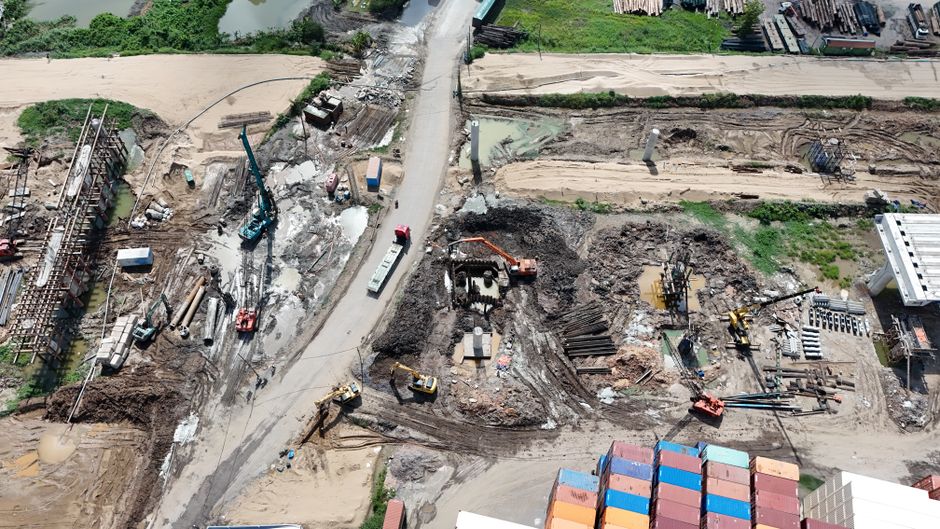
Cost Comparison of Steel Push Piers Versus Concrete Pilings for Houston Foundations
Homeowners in Houston considering foundation support options should understand the installation cost and material cost differences between steel push piers and concrete pilings. The unique soil conditions and frequent moisture fluctuations in Houston often influence pricing variations for these systems.
Steel push piers typically involve a higher material cost due to the use of high-strength steel designed to resist corrosion and provide long-term load-bearing capacity. However, their installation may be less labor-intensive and require less extensive excavation compared to concrete pilings, potentially reducing the overall installation cost.
On average, Houston projects see steel pier systems priced between $1,000 and $3,000 per pier, depending on depth and quantity needed.
Cost Factors Affecting Houston Foundation Projects
- Material Costs: Steel components generally cost more upfront than concrete due to manufacturing and protective coatings.
- Installation Complexity: Concrete pilings often require significant excavation and curing time, increasing labor expenses.
- Project Size: Larger foundations needing multiple piers or pilings will have scaled costs influenced by both materials and labor.
- Soil Conditions: Houston’s expansive clays and moisture fluctuations can necessitate deeper or additional piers, impacting total pricing.
Professional companies in Houston usually advise homeowners to weigh both material cost and installation cost when selecting between steel push piers and concrete pilings. While concrete pilings may offer a lower initial material price, the extended installation timeline and increased labor can lead to higher total expenses.
Conversely, steel push piers may have higher upfront costs but can minimize disruption and labor charges. Getting matched with vetted contractors via a helps Houston property owners obtain detailed estimates tailored to their foundation needs.
Pro Tip
When selecting between steel push piers and concrete pilings in Houston, consider the soil conditions and moisture fluctuations unique to the area. Steel push piers typically offer faster installation and adaptability to shifting soils, while concrete pilings provide robust long-term support but may involve higher installation cost.
Consulting with local foundation experts can help homeowners balance load-bearing capacity needs against potential costly repairs caused by Houston’s frequent moisture variations.
Installation Process and Timeline Differences for Steel Push Piers and Concrete Pilings in Houston
Steel push piers installation in Houston typically involves a relatively straightforward construction process that can be completed within a few days. Contractors begin by excavating small areas near the foundation to expose the footing. Then, steel piers are hydraulically pushed deep into the soil until reaching stable load-bearing strata.
This method minimizes extensive digging and disruption, which contributes to a shorter installation timeline. The steel sections are then attached to the footing using brackets, allowing for effective load transfer and foundation stabilization.
In contrast, installing concrete pilings in Houston requires a more involved and time-consuming process due to their size and curing requirements. The procedure often starts with drilling or driving large-diameter holes or pilings deep into the soil, which demands specialized heavy equipment.
After positioning, concrete is poured into these pilings and must cure for several days to achieve sufficient strength. This curing phase significantly extends the overall installation timeline, often spanning one to two weeks or longer depending on weather conditions and project scale.
Typical Installation Steps for Both Methods
- Site preparation: Clearing and marking areas for pier or piling placement.
- Excavation or drilling: Shallow excavation for push piers; deep drilling or driving for concrete pilings.
- Placement: Hydraulic pushing of steel piers; pouring concrete into drilled holes for pilings.
- Connection: Attaching steel piers to foundation footing; allowing concrete pilings to cure and harden.
- Backfilling and cleanup: Restoring excavated areas and ensuring site safety.
Homeowners in Houston should expect that steel push piers generally offer a faster and less intrusive installation process compared to concrete pilings. The choice between these foundation solutions often depends on project urgency, soil conditions, and construction constraints specific to Houston’s environment.

Suitability of Steel Push Piers Versus Concrete Pilings for Houston’s Unique Soil and Flood Risks
Houston’s expansive clay soil presents a challenging environment for foundation support due to its significant moisture fluctuations. These soils swell when wet and shrink during dry periods, causing frequent movement that can lead to foundation settlement or cracking.
In this context, steel push piers are often favored because their installation extends below the active soil zone, reaching stable strata unaffected by surface moisture changes. This depth allows for reliable load transfer and helps mitigate the effects of Houston’s unique soil conditions.
Conversely, concrete pilings offer robust support but may be more susceptible to issues related to Houston’s flood risk. Floodwaters can saturate the surrounding soil, potentially undermining pilings that do not extend to sufficiently deep, stable layers.
While concrete pilings provide substantial load-bearing capacity, their performance depends heavily on proper depth and installation techniques tailored to Houston’s flood-prone areas.
Key Considerations for Houston Foundations
- Soil Stability: Steel push piers are designed to bypass unstable expansive clay, minimizing the risk of movement caused by moisture changes.
- Flood Resilience: Concrete pilings must reach below the flood-affected zones to maintain integrity during high water events common in Houston.
- Long-Term Performance: Both methods require careful assessment of local soil profiles and flood history to ensure sustained foundation support.
- Cost vs. Suitability: While steel push piers may have a lower installation cost, concrete pilings can be more durable if installed correctly in flood-risk zones.
Homeowners in Houston should expect professional assessments that consider the city’s unique soil composition and persistent flood risks. Matching foundation repair methods to these conditions is critical to avoiding costly repairs and ensuring long-term structural stability.
Comparison of Steel Push Piers and Concrete Pilings for Houston Foundations
| Option | Pros | Cons | Best For |
|---|---|---|---|
| Steel Push Piers | High load-bearing capacity, quick installation, minimal soil disturbance | Less effective in rocky soil, higher material cost, requires specialized equipment | Houston homes with expansive clay soil and moisture fluctuations |
| Concrete Pilings | Durable, resistant to corrosion, well-suited for deep foundation support | Longer installation time, greater soil disruption, higher labor costs | Structures needing deep load transfer in stable soil layers |
| Hybrid Systems (Steel + Concrete) | Combines strengths of both materials, improved stability, adaptable to soil variability | Complex design requirements, higher overall cost, longer project timelines | Foundations with mixed soil conditions and variable load demands |
| Alternative Foundation Supports (e.g., Helical Piles) | Easier installation in tight spaces, less noise and vibration, suitable for lighter loads | Lower load capacity, not ideal for expansive clay, may require supplemental supports | Smaller residential projects or temporary structures |
Frequently Asked Questions
What factors influence the choice between steel push piers and concrete pilings?
The decision often depends on soil conditions, load-bearing capacity, and foundation support needs. In areas with expansive clay or frequent moisture fluctuations, steel push piers can offer more adaptability. Conversely, concrete pilings might suit projects requiring deep load transfer in stable soil.
Are steel push piers more cost-effective than concrete pilings?
Steel push piers generally have a lower installation cost and material cost, making them a budget-friendly option for many homeowners. However, the overall expense depends on soil conditions and project complexity, which can affect the number and length of piers needed.
How do moisture fluctuations impact the performance of foundation supports?
Frequent moisture changes in Houston's soil can cause shifting and settling. Steel push piers are designed to resist these movements better by anchoring below the active zone, while concrete pilings may be more susceptible to water damage if not properly installed.
Can steel push piers be installed in all soil types found in Houston?
While steel push piers perform well in many soil types, their effectiveness depends on reaching stable strata beneath expansive clay. Some areas with extremely dense or rocky soil may require alternative solutions like concrete pilings for adequate load transfer.
What maintenance is required after installing steel push piers or concrete pilings?
Both foundation supports typically require minimal maintenance once installed. However, monitoring for signs of settlement, water damage, or corrosion is important to prevent costly repairs. Professional inspections can help identify any issues early.
Choosing between steel push piers and concrete pilings for foundation support in Houston requires careful consideration of soil conditions, load-bearing capacity, and long-term stability. Each option offers distinct advantages depending on the extent of damage and environmental factors, such as moisture fluctuations and the prevalence of expansive clay.
Homeowners seeking reliable solutions should weigh the material cost, installation cost, and potential for costly repairs. Get matched with vetted Foundation Repair in Houston, TX via our -matching form to explore tailored options from qualified professionals.