
Pier and beam inspection Houston homeowners rely on is essential for identifying foundation issues before they escalate into costly structural damage. Houston's unique soil composition and climate conditions often lead to foundation settlement and moisture-related problems that can compromise pier and beam foundations.
Regular inspections help detect wood rot, termite damage, and beam sagging, which are common risks in this area. Homeowners should be aware that neglecting a thorough pier and beam inspection can result in uneven floors, wall cracks, and even potential safety hazards.
Professional companies in Houston typically follow a detailed checklist to ensure every critical component is examined, including piers, beams, joists, and crawl spaces. Understanding what to expect during a pier and beam inspection Houston service provides peace of mind and helps maintain the integrity of your home’s foundation.
Why It Matters in Houston, TX
Houston's unique soil composition and frequent heavy rainfall create significant challenges for pier and beam foundations. Homes in this region are prone to settlement issues and wood rot due to moisture exposure. A thorough foundation inspection helps identify early signs of structural damage, preventing costly repairs and ensuring safety.
Local contractors experienced in Houston's climate can better assess risks and recommend appropriate solutions, making regular inspections a vital part of home maintenance in this city.
Key Components to Inspect During a Pier and Beam Inspection in Houston
During a pier and beam foundation inspection in Houston, professionals focus on several critical structural elements to assess the overall integrity of the home. The piers, which serve as the primary vertical supports, must be examined for signs of settlement, cracking, or shifting due to Houston's unique soil composition.
Damage or instability in these piers can lead to uneven weight distribution and structural damage.
The support beams connecting the piers are also vital components. Inspectors look for wood rot, warping, or insect damage, which are common issues in Houston's humid environment. Any deterioration in these beams compromises the foundation’s ability to bear loads effectively, potentially causing sagging floors or misaligned walls.
Additionally, joists that run perpendicular to support beams require close evaluation. These horizontal members distribute weight across the foundation and provide stability to the floor system. Signs of moisture damage, cracks, or separation in joists indicate potential weaknesses that could escalate into major repairs.
Critical Components to Inspect
- Piers: Check for cracks, tilting, and soil erosion around bases.
- Support Beams: Assess for wood rot, warping, and insect infestation.
- Joists: Inspect for moisture damage, cracks, and proper alignment.
- Connections and Fasteners: Ensure bolts, brackets, and hangers are secure and rust-free.
Homeowners in Houston should expect thorough evaluation of these key components during a pier and beam foundation inspection. Proper attention to these elements helps identify early signs of damage specific to Houston’s soil and climate challenges.
Common Signs of Damage and Issues in Houston Pier and Beam Foundations
Houston pier and beam foundations often exhibit specific signs of damage due to the region's unique soil composition and climate. Homeowners should be vigilant for foundation damage indicators such as uneven floors, visible cracks in walls, or doors and windows that stick or fail to close properly.
These symptoms frequently suggest underlying structural issues that require professional evaluation.
One of the most prevalent problems in Houston homes is water damage, which can accelerate deterioration of wooden support elements. Persistent moisture exposure leads to wood rot, compromising the integrity of support beams and increasing the risk of sagging or settling.
Additionally, Houston's climate fosters conditions conducive to termite damage, which further weakens beam foundations by hollowing out critical wood components.
Typical Signs to Watch for During Inspection
- Sagging or uneven floors: Often caused by compromised beams due to rot or termite infestation.
- Cracked or leaning walls: Indicate possible foundation settlement or shifting.
- Warped or damaged beams: Visible signs of wood rot or insect activity.
- Moisture accumulation: Dampness under the house or around piers signaling potential water damage.
- Rust on metal supports: Can indicate prolonged exposure to moisture impacting structural stability.
Recognizing these common issues in Houston pier and beam foundations enables early intervention, which helps prevent extensive foundation damage and costly repairs. Homeowners looking for reliable solutions should consider professional assessments to accurately identify and address these concerns.
Common Mistake to Avoid
One frequent error Houston homeowners make during a pier and beam foundation inspection is neglecting to check for hidden wood rot and termite damage beneath the floorboards. The unique soil composition and humid climate in Houston accelerate wood deterioration, leading to unseen structural damage.
Overlooking these areas can result in costly repairs and ongoing foundation settlement. Properly addressing all potential problem spots ensures a thorough evaluation of the beam foundations and support beams.
Step-by-Step Process for Performing a Thorough Pier and Beam Inspection in Houston
Performing a thorough pier and beam inspection in Houston requires a systematic approach tailored to the city’s unique soil composition and climate challenges. The first step involves a detailed visual assessment of the support beams and beam foundation for signs of wood rot, termite damage, or other structural compromises.
Inspectors typically examine crawl spaces carefully, noting any moisture accumulation that could accelerate rot or attract pests.
The next phase focuses on measuring moisture levels within the crawl space and around the foundation piers. Elevated moisture readings often correlate with higher risks of mold growth and structural damage. Using moisture meters and humidity sensors, professionals can pinpoint problematic areas requiring immediate attention.
Detailed Steps in the Inspection Checklist
- Initial Visual Survey: Check all visible support beams, joists, and piers for cracks, warping, or sagging that indicate potential foundation settlement.
- Leveling Assessment: Employ laser levels or similar tools to evaluate the leveling of floors and beams, identifying unevenness caused by shifting soil or damaged supports.
- Moisture Evaluation: Use specialized equipment to measure moisture levels in crawl spaces, focusing on areas prone to water intrusion or poor drainage.
- Pest Inspection: Look for evidence of termite activity or other pests that compromise wood rot and weaken beam foundations.
- Documentation and Reporting: Compile findings into a comprehensive report highlighting areas of concern, recommended repairs, and preventive measures tailored for Houston’s environment.
This structured approach ensures that homeowners receive an accurate assessment of their pier and beam foundation’s condition. By following this checklist, local contractors can identify hidden risks related to Houston’s unique soil and moisture challenges, helping to prevent costly repairs and maintain the long-term structural integrity of the home.
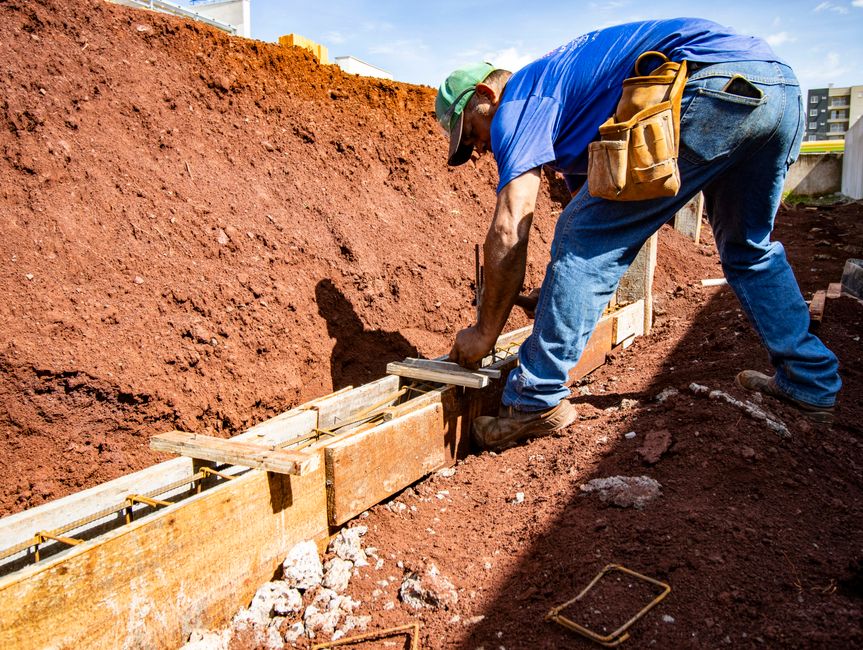
Local Houston Environmental Factors Affecting Pier and Beam Foundations
Houston’s climate and soil composition play pivotal roles in the performance and longevity of pier and beam foundations. The region’s high humidity levels contribute to increased moisture retention in the soil, which can accelerate wood rot and termite damage in support beams.
Homeowners should be aware that persistent dampness under the foundation may lead to accelerated structural damage if not properly managed.
Soil expansion and contraction are especially pronounced in Houston due to its clay-rich soils. These soils swell when wet and shrink during dry periods, causing significant foundation movement. This cyclical shifting can stress beam foundations, leading to cracks, misalignment, or sagging support beams that require close inspection.
Flooding risk further compounds challenges for pier and beam foundations in Houston. Frequent heavy rains can saturate the soil, undermining the stability of piers and increasing the likelihood of settlement or tilting. Local contractors typically emphasize evaluating drainage around the foundation to mitigate these risks during inspections.
Key Environmental Factors to Monitor
- High humidity levels promoting moisture accumulation and wood rot
- Clay-rich soil causing frequent soil expansion and contraction cycles
- Flooding potential increasing soil saturation and foundation settlement risks
- Temperature fluctuations impacting soil moisture dynamics and foundation stability
Pier and Beam Foundation Inspection Checklist for Houston Homes
| Service Type | Cost Range | Typical Timeline |
|---|---|---|
| Visual Structural Assessment | $150 - $400 | 1 - 2 hours |
| Moisture and Wood Rot Evaluation | $200 - $500 | 2 - 3 hours |
| Termite and Pest Damage Inspection | $100 - $300 | 1 - 2 hours |
| Soil and Foundation Settlement Analysis | $300 - $700 | 3 - 5 hours |
| Comprehensive Report and Recommendations | $250 - $600 | 1 - 2 days |
Frequently Asked Questions
What are the most important areas to check during a pier and beam foundation inspection?
Professional companies typically focus on inspecting support beams, joists, and piers for signs of wood rot, termite damage, and structural settlement. Checking for moisture accumulation and soil shifts around the beam foundation is also critical to prevent costly repairs.
How often should homeowners schedule a pier and beam foundation inspection?
Homeowners should expect to have a pier beam foundation inspected every 3 to 5 years, or sooner if they notice signs of foundation settlement or rot termite damage. Regular inspections help catch issues early, especially in areas with Houston’s unique soil composition and climate.
Can weather conditions affect the results of a pier and beam inspection?
Yes, environmental factors like Houston’s heavy rains and high humidity can contribute to wood rot and soil shifting. Inspectors often recommend scheduling inspections during dry periods to accurately assess the beam foundation without interference from temporary water accumulation or swelling soils.
What are common causes of damage found during pier and beam inspections?
Common causes include prolonged exposure to moisture leading to wood rot, infestation by termites, and uneven soil composition causing foundation settlement. Houston’s unique climate can accelerate these issues, making thorough inspections vital to maintain structural integrity.
How do inspectors identify termite damage during a pier and beam inspection?
Inspectors look for visible signs such as mud tubes, damaged or hollowed wood in the support beams, and areas of weakened beam foundation. Detecting termite damage early is crucial to prevent extensive structural damage and costly repairs.
Regular pier and beam foundation inspections in Houston, TX are crucial for identifying wood rot, termite damage, and early signs of foundation settlement. Understanding the impact of Houston's unique soil composition and climate helps homeowners anticipate potential structural damage and avoid costly repairs.
Homeowners seeking reliable assessments should contact local Houston foundation specialists to receive accurate evaluations and tailored solutions. Get matched with vetted Foundation Repair in Houston, TX via our to ensure your home's foundation remains stable and secure.