
Choosing between pier and beam vs slab foundation Houston homeowners face is a critical decision influenced by the city's unique soil conditions and climate. Both pier and beam foundations and slab foundations offer distinct advantages and challenges in Houston's expansive clay soil.
Understanding how each foundation type manages soil movement, water drainage, and structural support can help property owners make informed choices. With Houston's frequent rainfall and potential for flooding, the foundation system plays a vital role in preventing water damage and settlement issues.
Homeowners considering foundation options should weigh factors like costs, maintenance needs, and long-term durability. Professional companies in Houston usually tailor foundation recommendations to local conditions, ensuring the best fit for residential projects.
Comparing pier and beam vs slab foundation Houston options is essential for protecting property value and structural integrity over time.
Why It Matters in Houston, TX
Understanding the differences between pier and beam and slab foundations is crucial for Houston homeowners due to the region’s unique soil conditions and frequent moisture fluctuations. Houston’s expansive clay soils can cause significant foundation movement, leading to costly structural damage if the wrong foundation type is chosen.
Selecting the appropriate foundation affects not only the home’s stability but also its long-term maintenance costs and resilience against water damage. Being informed helps homeowners anticipate potential issues and connect with experienced foundation repair professionals familiar with Houston’s challenges.
Understanding Pier and Beam and Slab Foundations in Houston Homes
Houston's unique soil conditions play a critical role in determining the suitability of pier and beam foundations versus slab foundations. The region is characterized by expansive clay soils, which tend to swell when wet and shrink during dry periods.
This natural movement can cause significant stress on foundation types, affecting the structural integrity of homes.
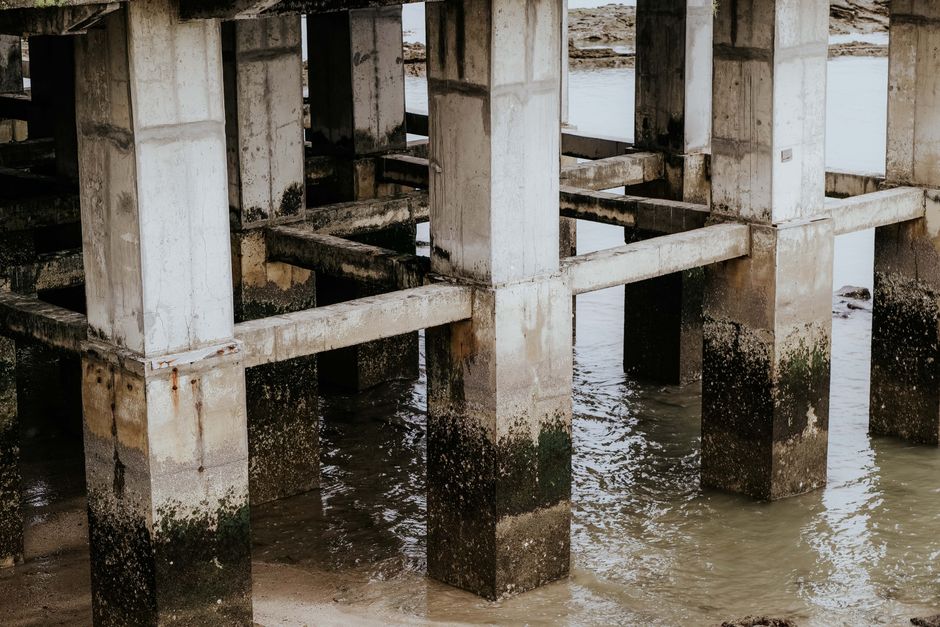
Pier and beam foundations are constructed by placing vertical piers deep into the ground, supporting horizontal beams that hold up the home above the soil. This design allows for a crawlspace beneath the house, providing flexibility to accommodate soil shifts common in Houston's expansive clay.
The elevated structure also facilitates easier access for repairs and inspections, which can be crucial given the city's variable moisture levels.
Conversely, slab foundations involve pouring a thick concrete slab directly on or just below the ground surface. While this method is often more cost-effective and quicker to install, it is more susceptible to soil movement and water damage in Houston's climate.
Without adequate mitigation measures, such as moisture barriers and soil stabilization, slab foundations may experience cracking or uneven settling over time.
Homeowners in Houston should consider how the local soil conditions and climate impact foundation performance when evaluating pier and beam versus slab foundations. Professional assessments typically factor in soil type, moisture levels, and long-term stability to recommend the foundation best suited for the specific site.
Comparing the Advantages and Disadvantages of Pier and Beam vs Slab Foundations in Houston
Houston homeowners often weigh the foundation advantages and disadvantages of pier and beam versus slab foundations due to the city's challenging soil conditions and variable weather impact. Pier and beam foundations provide elevated support, which allows easier access for plumbing and electrical repairs beneath the home.
This design also mitigates some effects of soil movement by distributing weight on piers driven into more stable soil layers. However, this foundation type can be vulnerable to moisture accumulation under the crawl space, increasing risks of water damage and potential mold growth if not properly ventilated.
Slab foundations, by contrast, offer a solid concrete base that is generally less expensive to install and requires less maintenance over time.
The direct contact with soil can, however, be problematic in Houston’s expansive clay environment, where swelling and shrinking can exert pressure on the slab, leading to cracks or uneven settling.
Additionally, slab foundations are less forgiving when it comes to plumbing repairs since pipes are embedded within or beneath the concrete, complicating access.
Key Advantages and Disadvantages in Houston’s Climate and Soil
- Pier and Beam Advantages: Better adaptability to soil movement, accessible underfloor space for repairs, improved airflow reducing moisture accumulation.
- Pier and Beam Disadvantages: Susceptibility to water damage if crawl space ventilation is inadequate, higher initial construction costs, potential pest intrusion.
- Slab Foundation Advantages: Lower installation costs, minimal maintenance requirements, enhanced resistance to pests entering from below.
- Slab Foundation Disadvantages: Vulnerability to cracking from expansive clay, difficult plumbing repairs, limited flexibility to adjust for soil shifts.
Ultimately, professional companies in Houston usually recommend foundation choices based on specific site assessments of soil stability, home design, and anticipated weather effects. Homeowners looking for durable solutions should expect these factors to heavily influence the long-term performance of either foundation type in Houston’s unique environment.
Pro Tip
Houston homeowners should consider that pier and beam foundations offer easier access for inspections and repairs, which can be crucial given the expansive clay soils and frequent soil movement. Meanwhile, slab foundations may require more extensive work to address water damage or settlement issues.
Consulting with local experts familiar with Houston’s unique soil conditions ensures the best foundation choice and maintenance approach.
Cost Factors for Pier and Beam vs Slab Foundations in Houston Construction and Repairs
Houston foundation costs for pier and beam systems generally exceed those of slab foundations due to the complexity of materials and labor involved. Constructing a pier and beam foundation typically requires installing multiple piers, beams, and joists, which increases both construction expenses and the overall timeline.
Homeowners should anticipate that initial installation may take several weeks, depending on soil conditions and site accessibility.
Slab foundation construction in Houston usually incurs lower upfront costs because it involves pouring a single concrete slab, reducing material and labor requirements. However, slab foundations can require more expensive repairs if soil movement or water damage causes significant cracking or settling.
Repair timelines for slabs often extend due to the need for specialized equipment to lift or stabilize the concrete.
Typical Cost and Repair Considerations in Houston
- Pier and Beam Installation: Costs range from $8,000 to $25,000+, influenced by the number of piers and soil conditions.
- Slab Foundation Installation: Usually between $5,000 and $15,000, depending on slab thickness and site prep.
- Pier and Beam Repairs: Can include jacketing, beam replacement, or pier stabilization, with timelines of 1-3 weeks.
- Slab Repairs: May involve mudjacking, slabjacking, or underpinning, often requiring several days to weeks.
Homeowners looking for foundation repairs or new construction in Houston should expect that soil types, water drainage, and structural load heavily influence both cost and repair timeline. Matching with vetted contractors through a lead aggregator service can help navigate these variables efficiently.

How Houston’s Climate and Soil Influence Foundation Choice Between Pier and Beam vs Slab
Houston’s climate impact and soil type play a pivotal role in determining the foundation durability of residential structures. The region’s high humidity levels and frequent flooding risks impose unique challenges on both pier and beam and slab foundations.
Houston’s expansive clay soils, known for significant volume changes with moisture fluctuations, contribute to ground movement that can undermine foundation stability.
Houston homeowners often find that soil movement due to clay expansion and contraction is a leading cause of foundation issues.
Pier and beam foundations typically offer better resilience against these effects by elevating the structure above the soil, allowing for airflow that mitigates moisture accumulation and reduces the risk of water damage.
Conversely, slab foundations, which rest directly on the soil, can be more vulnerable to cracking and shifting as the clay expands or contracts beneath them.
Key Climate and Soil Factors Affecting Foundation Choice in Houston
- Humidity and Moisture: Persistent humidity increases soil moisture content, exacerbating clay swelling and contraction cycles.
- Flooding Potential: Areas prone to flooding may benefit from elevated beam foundations that minimize water exposure compared to slabs.
- Soil Composition: Houston’s clay-rich soil tends to retain water, intensifying soil movement risks for slab foundations.
- Foundation Ventilation: Elevated pier and beam systems promote air circulation, reducing mold growth and wood rot risks common in humid climates.
Professional companies in Houston usually assess these factors carefully when advising on foundation types. Homeowners looking for long-term durability should consider how Houston’s unique soil and climate conditions might influence foundation performance over time.
Maintenance Tips and Common Issues for Pier and Beam and Slab Foundations in Houston Homes
Houston homeowners with pier and beam foundations should prioritize regular inspection of wooden beams and piers for signs of rot, termite damage, or soil shifting. Proper ventilation beneath the home helps mitigate moisture buildup, reducing risks of mold growth and wood deterioration.
Maintaining consistent soil moisture levels through strategic landscaping or irrigation can also minimize soil movement and subsequent foundation settling.
Slab foundation maintenance in Houston typically focuses on monitoring for cracks, water pooling, and uneven settling. Homeowners should ensure that gutters and downspouts direct water away from the slab perimeter to prevent water damage and soil erosion.
Addressing minor cracks promptly can help avoid more extensive structural issues caused by Houston’s expansive clay soils.
Common Foundation Maintenance Tips for Houston Homes
- Inspect foundations biannually for signs of damage or movement.
- Control landscaping irrigation to maintain stable soil moisture around the foundation.
- Clear drainage systems to prevent water accumulation near the foundation.
- Address pests promptly, particularly for pier and beam structures.
- Consult professional contractors if noticeable settling or cracking occurs.
Comparison of Pier and Beam vs Slab Foundations in Houston
| Option | Pros | Cons | Best For |
|---|---|---|---|
| Pier and Beam Foundations | Elevated structure reduces water damage risk, easier access for repairs, adapts well to Houston expansive clay soils | Higher installation cost, potential for wood deterioration, requires regular maintenance | Homes in areas with poor drainage or high soil movement, properties needing crawl space access |
| Slab Foundations | Lower initial cost, quicker construction time, less susceptible to pest infestation | Prone to cracking from soil movement, difficult and expensive to repair plumbing, limited access for foundation inspections | Sites with stable soil conditions, homeowners prioritizing cost efficiency, and minimal crawl space needs |
| Pier and Beam with Steel Piers | Enhanced stability against soil shifting, extends foundation lifespan, facilitates structural adjustments | Significantly higher costs, requires specialized installation expertise, longer project duration | Older homes experiencing settlement issues, properties on highly expansive Houston soils |
| Slab with Post-Tensioning | Improved resistance to cracking, better performance on expansive clays, supports heavier loads | Increased construction complexity, higher upfront expense, limited repair options once set | New constructions in areas with moderate to high soil movement, projects requiring robust load-bearing capacity |
Frequently Asked Questions
What are the main differences in maintenance between pier and beam and slab foundations?
Houston homeowners typically find pier and beam foundations require more frequent inspection and maintenance due to potential wood rot and pest damage in crawl spaces. In contrast, slab foundations often need monitoring for cracks caused by soil movement but generally involve less routine upkeep.
How does Houston’s expansive clay soil affect pier and beam versus slab foundations?
Expansive clay soils in Houston exert pressure that can cause significant soil movement. Pier and beam foundations offer some flexibility to adjust for this movement, while slab foundations are more prone to cracking under these conditions, requiring specialized repair techniques to address foundation settlement.
Which foundation type offers better access for plumbing and electrical repairs?
Pier and beam foundations typically provide easier access to plumbing and electrical systems through the crawl space, simplifying repairs and upgrades. Conversely, slab foundations embed these systems in concrete, making access more challenging and sometimes necessitating costly concrete removal.
Are pier and beam foundations more vulnerable to water damage in Houston?
Pier and beam foundations can be susceptible to water damage if crawl spaces are not properly ventilated or drained, especially given Houston’s humid climate. Proper moisture control is essential to prevent mold growth and structural deterioration in these areas.
What is the typical repair timeframe for foundation issues in Houston?
Foundation repairs, whether on pier and beam or slab foundations, usually take between 1-3 weeks. The duration depends on the extent of soil movement, damage severity, and chosen repair methods such as steel piers or slabjacking.
Houston homeowners evaluating pier and beam and slab foundations should consider the unique soil conditions and climate factors that influence foundation performance. Both foundation types present distinct benefits and challenges related to soil movement, water damage, and maintenance demands.
Understanding these elements helps in selecting the most suitable foundation system for long-term stability.
For tailored advice and reliable service options, get matched with vetted foundation repair contractors in Houston, TX via our -matching form. This resource connects homeowners with local experts experienced in pier and beam and slab foundation solutions to address Houston’s expansive clay soils.