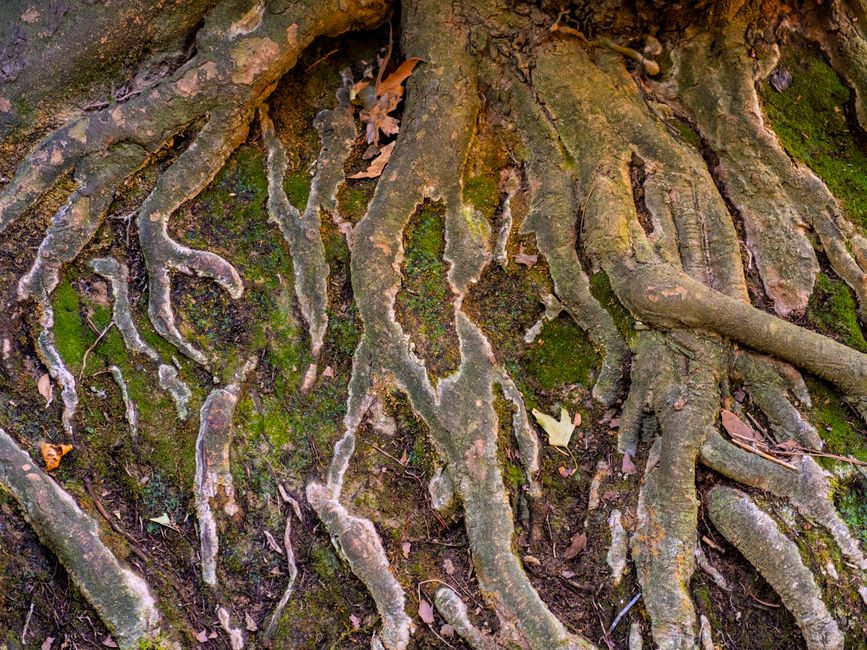
Root barrier foundation Houston solutions are essential for protecting properties from the costly effects of invasive tree roots. In Houston, where expansive clay soils and mature trees are common, foundation damage caused by root intrusion can lead to cracks, uneven settling, and structural instability.
Homeowners facing these challenges often encounter expensive repairs that could have been minimized with proper root barrier installation. Effective root barriers act as a physical shield, redirecting roots away from vulnerable foundation areas and preventing further deterioration.
Understanding the importance of root barrier foundation Houston methods helps property owners safeguard their investments and maintain the integrity of their homes in this unique soil environment.
Why It Matters in Houston
Houston's unique clay soil combined with frequent heavy rains creates an environment where tree roots can aggressively grow and infiltrate foundation structures. This often leads to soil displacement, causing foundation settling and costly damage.
Installing a root barrier is critical to prevent these issues by redirecting roots away from vulnerable areas. Local foundation contractors in Houston emphasize that proactive root management significantly reduces risks like cracking, water intrusion, and structural instability.
For homeowners in Houston, understanding the impact of tree root growth on barrier foundations is vital to maintaining property value and avoiding expensive repairs. Proper root barrier installation tailored to Houston’s soil and climate conditions helps protect homes from long-term damage.
Understanding Root Barriers and Their Role in Protecting Houston Foundations
Root barriers are physical or chemical obstacles installed in the soil to prevent tree roots from encroaching upon residential foundations. In Houston, where expansive clay soils and aggressive root systems coexist, these barriers play a critical role in maintaining structural stability.
By redirecting roots away from vulnerable foundation areas, root barriers help mitigate risks associated with soil movement and moisture fluctuations.
Tree roots naturally seek moisture and nutrients, often extending beneath or alongside foundations. Without intervention, this growth can cause structural instability through soil displacement, leading to cracks, settlement, and other forms of damage.
Installing a properly designed root barrier creates a protective zone that discourages roots from penetrating critical foundation zones, reducing the likelihood of costly repairs.
Homeowners in Houston looking to preserve their foundation integrity should understand that root barriers serve as a preventive measure rather than a reactive fix. These systems are typically installed vertically in the soil between trees and foundations, forming a durable shield.
The effectiveness of root barriers depends on proper placement depth and materials suited to the local soil and root growth patterns.
Common Tree Root Problems Affecting Houston Foundations and How Root Barriers Help
Tree roots in Houston often cause significant foundation damage due to the region's characteristic expansive clay soils. These soils expand and contract with moisture variations, exacerbating the pressure roots exert on vulnerable foundations. As roots grow, they infiltrate cracks or exert lateral force, leading to structural instability and costly repairs.
Root intrusion can also disrupt underground utilities and drainage systems, compounding moisture-related problems. Homeowners in Houston frequently encounter symptoms like uneven floors, wall cracks, and sticking doors, all indicative of root-related foundation issues. The combination of tree root growth and the region's soil dynamics makes proactive mitigation essential.
How Root Barriers Mitigate Houston Foundation Problems
Root barriers serve as an effective method for redirecting roots away from foundation structures. By installing a physical or chemical obstacle in the soil, these barriers prevent roots from encroaching into critical zones near the foundation.
This interruption limits root-induced soil displacement and moisture fluctuations directly adjacent to the foundation, reducing instability risks.
Professional companies in Houston often recommend root barriers as part of an integrated approach to foundation protection. These barriers are designed to accommodate local soil conditions and root growth patterns, providing long-term defense against tree root damage.
For homeowners facing expansive clay challenges, root barriers represent a strategic investment to avoid expensive foundation repairs caused by unchecked root activity.
Common Mistake to Avoid
Many homeowners in Houston mistakenly believe that installing a root barrier alone will completely prevent tree root damage to their foundation. However, improper placement or using low-quality materials can lead to ineffective root growth redirection, resulting in continued soil displacement and structural instability.
It is crucial to consult with local experts who understand Houston's clay soils and can recommend the correct barrier foundation strategy to truly protect your property.
Types of Root Barrier Materials Suitable for Houston Foundations
Homeowners in Houston seeking to protect their foundations from invasive tree roots can choose from several root barrier materials, each offering distinct advantages and limitations. Plastic barriers are among the most common options due to their affordability and ease of installation.
These barriers, typically made from high-density polyethylene, effectively redirect roots away from vulnerable foundations by creating a physical obstacle that roots cannot penetrate.
Alternatively, metal barriers, such as steel or aluminum sheets, provide a more durable solution capable of withstanding soil pressure and root growth over extended periods. However, their installation often requires professional handling because of their weight and rigidity.
While more costly, metal barriers offer superior resistance to damage and can be particularly effective in areas with aggressive root systems common in Houston's clay soils.
For environmentally conscious homeowners, biodegradable root barrier options have emerged as a sustainable choice. Made from materials like compressed wood fibers or biodegradable fabrics, these barriers inhibit root growth temporarily while gradually decomposing into the soil.
Though less durable than plastic or metal, they reduce long-term environmental impact and are suitable for smaller-scale applications where permanent barriers may not be necessary.
Professional companies in Houston usually recommend selecting root barrier materials based on specific site conditions, tree species, and soil type. Understanding the trade-offs between durability, environmental impact, and installation complexity helps homeowners make informed decisions to protect their foundation from costly damage caused by uncontrolled root growth.
Best Practices for Installing Root Barriers Around Houston Foundations
Proper root barrier installation in Houston requires careful planning to ensure foundation protection against aggressive tree root growth typical of the region's expansive clay soils. Contractors typically recommend installing barriers before roots reach the foundation, which often means early intervention during or shortly after construction.
Effective root barrier placement involves digging trenches at a sufficient depth—usually between 24 and 36 inches—to intercept the majority of tree roots.
The trench must be positioned at an appropriate distance from the foundation, generally at least 3 to 5 feet away, to balance redirecting roots away from vulnerable structures without harming the tree's stability.
Selecting the right location depends on the specific tree species, as root systems vary in depth and spread.
Key Installation Practices for Houston Foundations
- Timing: Install barriers before roots encroach to prevent costly soil displacement and structural instability.
- Depth and Distance: Trenches between 24-36 inches deep and set at least 3-5 feet from foundations help effectively block root growth.
- Material Integration: Use durable, impermeable materials that withstand Houston’s moist, clay-rich soil conditions.
- Species Consideration: Account for aggressive root systems like those of oak or pecan trees common in Houston to tailor barrier placement.
- Professional Assessment: Engage local experts to evaluate soil type, tree health, and foundation vulnerability before installation.
Homeowners in Houston looking to maximize the effectiveness of root barriers should expect contractors to combine these best practices with ongoing monitoring. This approach reduces the risk of mold growth, water infiltration, and other damage associated with compromised foundations.
Using a tailored strategy that aligns with Houston's unique environmental conditions ensures long-term protection from invasive tree roots.
Root Barriers and Tree Damage Prevention for Houston Foundations
| Option | Pros | Cons | Best For |
|---|---|---|---|
| Physical Root Barriers | Effective at redirecting roots away from foundations, durable materials like HDPE or metal, long-lasting protection | Installation can be labor-intensive, may require excavation near foundation, higher upfront cost | Homeowners Houston with established trees and expansive clay soils |
| Chemical Root Barriers | Easier to apply than physical barriers, targets root growth chemically, less invasive installation | Potential environmental impact, may require reapplication, limited effectiveness on large roots | Properties with smaller root systems or preventive maintenance |
| Root Pruning Combined with Barriers | Immediate reduction in root pressure, works synergistically with barriers, reduces soil displacement risks | Requires professional assessment, risk of tree health decline, regular monitoring needed | Homes with invasive tree roots close to vulnerable foundations |
| No Barrier (Monitoring Only) | No upfront costs, minimal disruption to landscape, suitable for low-risk areas | High risk of root intrusion, potential for costly foundation repairs, not recommended in clay soil regions | New constructions with adequate setbacks or areas with non-invasive tree species |
Frequently Asked Questions
How do root barriers prevent foundation damage from tree roots?
Root barriers work by redirecting roots away from the foundation, minimizing soil displacement and structural instability. By creating a physical obstacle, these barriers limit the growth of invasive tree roots toward vulnerable areas, reducing the risk of cracks and other foundation damage.
Can root barriers be installed around existing trees near a foundation?
Installing root barriers near mature trees requires careful consideration to avoid harming the tree root systems. Professional contractors typically assess root patterns and soil conditions before placing barriers to ensure the roots are redirected without causing excessive stress or damage to the tree.
What maintenance is required after installing root barriers?
Root barriers generally need minimal maintenance once installed. However, periodic inspections help identify any root intrusion attempts or damage to the barrier. Homeowners should monitor nearby tree roots and soil conditions, especially in areas with expansive clay soils, to maintain effective protection.
Are root barriers effective in Houston’s clay soil conditions?
Houston’s expansive clay soils contribute to significant soil displacement, increasing foundation risks. Root barriers are particularly effective in this environment by limiting invasive tree root growth and reducing structural instability. Local contractors often recommend barriers as part of a comprehensive approach to foundation protection in Houston.
How far from the foundation should root barriers be installed?
Proper placement of root barriers is crucial; they are usually installed several feet away from the foundation to intercept tree roots before reaching vulnerable soil. The exact distance depends on tree species, root growth habits, and soil type, with professionals tailoring installations to maximize protection.
Effective root barriers play a critical role in preventing tree root damage to Houston foundations, especially given the region's expansive clay soils and aggressive root growth. Homeowners in Houston should recognize the importance of redirecting roots away from vulnerable structures to avoid soil displacement and structural instability.
For tailored solutions, it is advisable to consult with local Houston foundation specialists who understand the unique soil conditions and challenges posed by invasive tree root systems.
Get matched with vetted Foundation Repair in Houston, TX via our -matching form to explore root barrier installation options suited to your property’s needs.